
South America's Wine Renaissance: Why Vik winning he World's Best Vineyard 2025 signals a Continental Shift
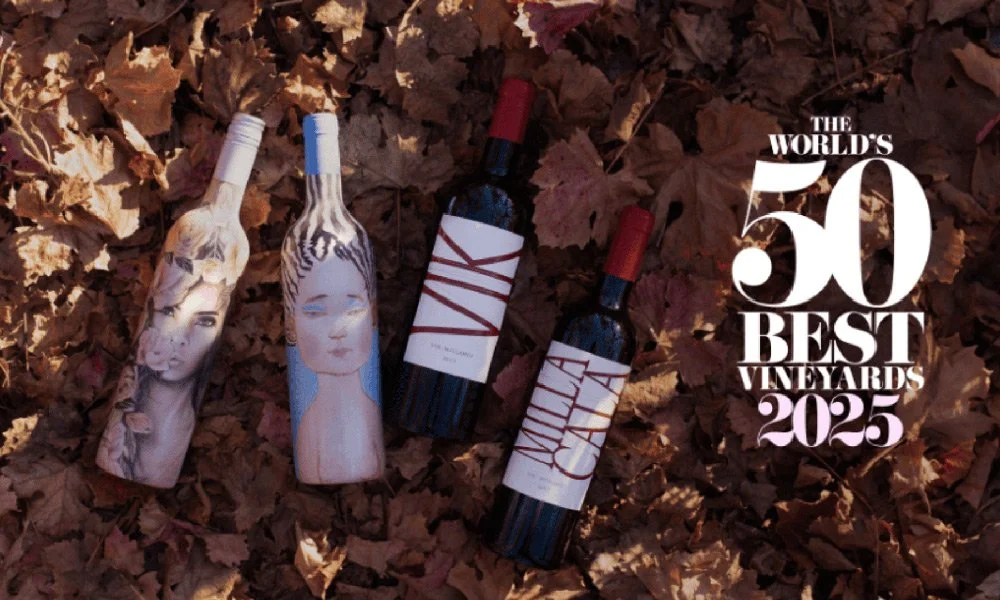
The striking hilltop estate in Millahue, Viña VIK has claimed the crown as The World's Best Vineyard for 2025—and it's leading a South American revolution in wine tourism
There's a moment, somewhere between the third bend up the Andean foothills and your first glimpse of that impossible bronze roof glinting against the Chilean sky, when you realize: this is not just another winery.
Vik has done it. After claiming the No. 2 spot in 2024, the audacious hilltop estate in Millahue, Chile, has ascended to the pinnacle of global wine tourism, crowned The World's Best Vineyard 2025. It's a victory that feels both inevitable and extraordinary—a testament to what happens when architecture, agriculture, and ambition collide in the most unexpected corner of the wine world.
A Vision Twenty Years in the Making
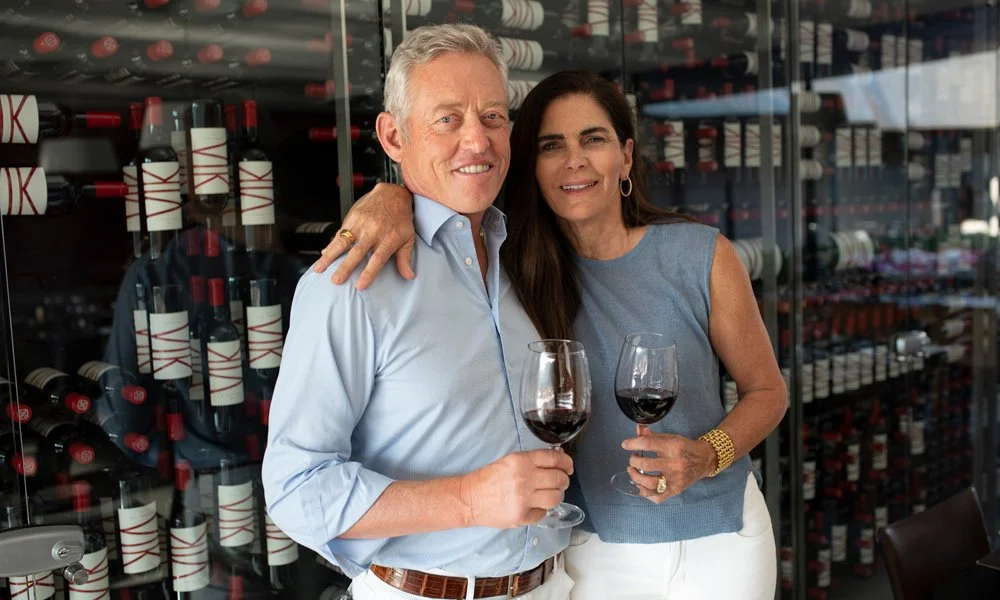
When Norwegian entrepreneur Alexander Vik and his wife Carrie founded the estate in 2006, they weren't thinking small. Carved from a sprawling 4,450-hectare nature reserve in the Cachapoal Valley, Vik spans a landscape so diverse it contains twelve distinct microclimates across its 327 planted hectares. The terroir here shifts like a conversation—volcanic soils give way to clay, granite to alluvial fans—each parcel whispering different possibilities into the vines.
But the Viks understood something crucial: great wine needs more than great land. It needs a story that resonates beyond the bottle.
Where Gehry Meets Grape
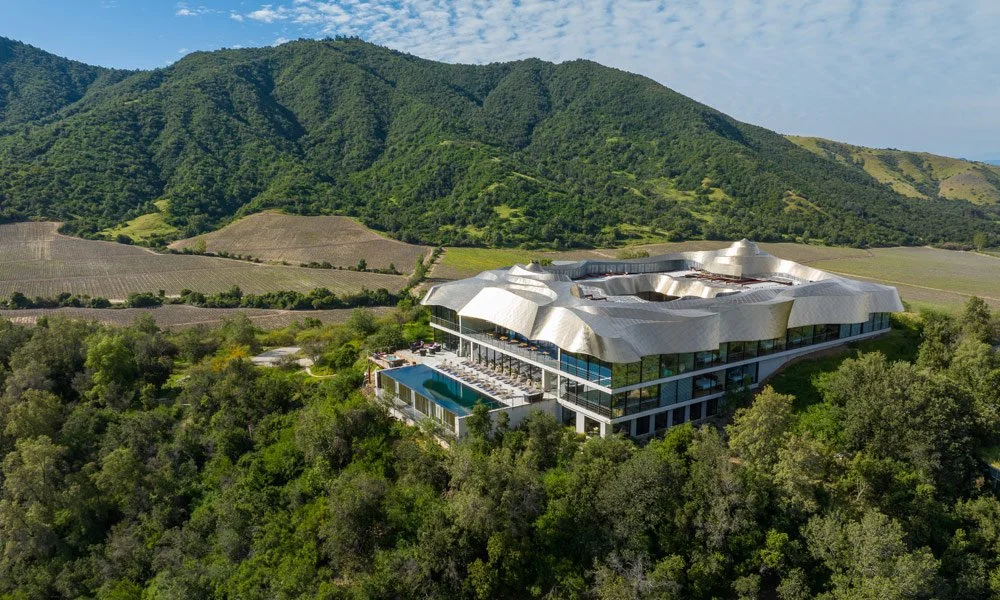
The estate's architectural centerpiece announces its ambitions from miles away. That bronzed-titanium roof—a sculptural marvel that seems to levitate above the winery like a metallic cloud—draws clear inspiration from the fluid geometries of Frank Gehry and the industrial poetry of Richard Serra. It's a bold statement in a region where colonial haciendas and rustic bodegas have long set the aesthetic tone.
Inside, the winery operates as both temple and laboratory. Gravity-flow systems honor tradition while cutting-edge fermentation technology pushes boundaries. The judges who awarded Vik its crown weren't just impressed by the wines—though the estate's flagship blends have earned their own constellation of accolades—they were seduced by the complete experience.
Beyond the Cellar Door
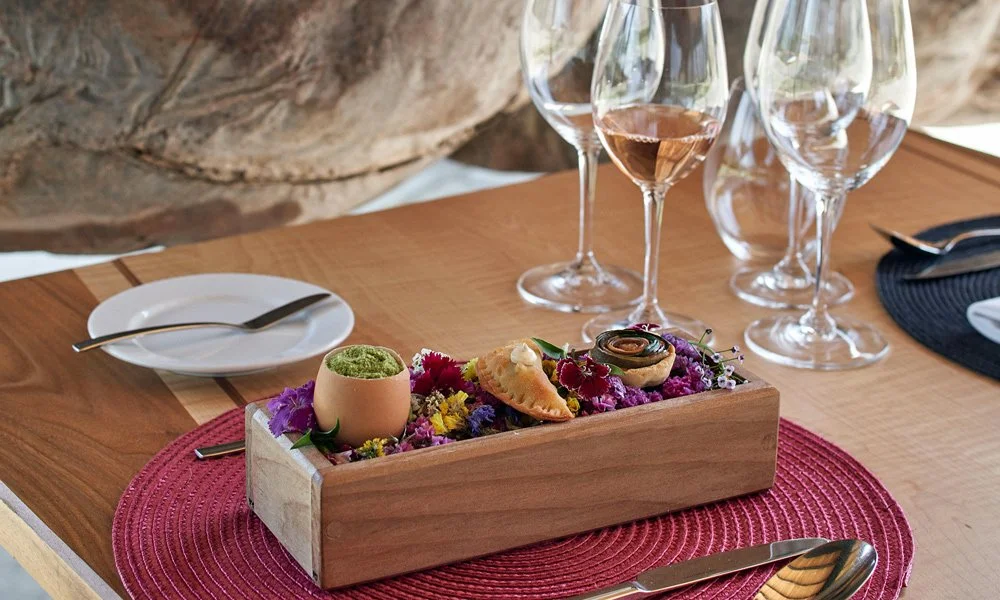
At Milla Milla, the estate's glass-walled restaurant, Chilean terroir translates to the plate. Executive chefs work with ingredients pulled from the valley and the Pacific beyond, crafting menus that mirror the wines' complexity. Lunch here unfolds slowly, each course paired with precision, each window framing a different slice of the Millahue landscape.
Accommodations range from art-filled suites in the main pavilion to low-slung bungalows that dissolve the boundary between interior and exterior. Wake to sunrise over the vines. Fall asleep to cricket symphonies and starfields undiminished by city glow.
For those who need to move, trekking trails wind through native forest and horseback paths trace ancient routes through the valley. This is wine country that demands you engage with it bodily, not just aesthetically.
The Wellness Horizon

As if anticipating their coronation, Vik has announced plans for a forest-set wellness center opening in 2026. Seven pavilions will offer everything from traditional steam rituals and cold plunges to red-light therapy, sensory-deprivation experiences, and grape-seed treatments that close the circle between viticulture and self-care. It's a move that positions Vik not just as a wine destination but as a holistic retreat—a place to reset mind, body, and palate.
South America's Extraordinary Moment
Vik's triumph arrives amid a broader renaissance for South American wine tourism, and the 2025 rankings tell a story of a continent hitting its stride. With fourteen South American vineyards claiming spots in the top 50, the region has firmly established itself as a global powerhouse of wine hospitality.
Uruguay's Design Vanguard
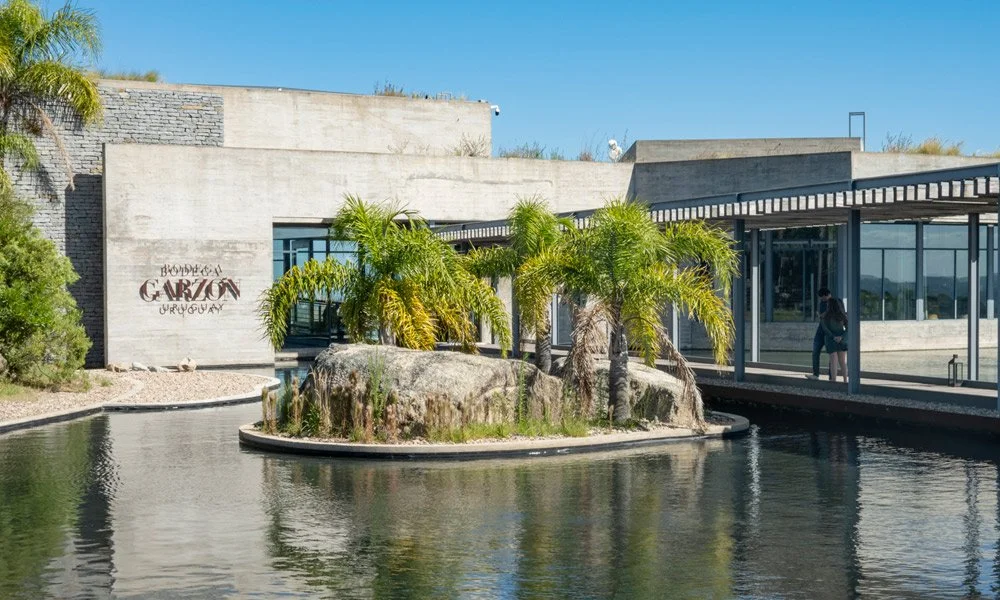
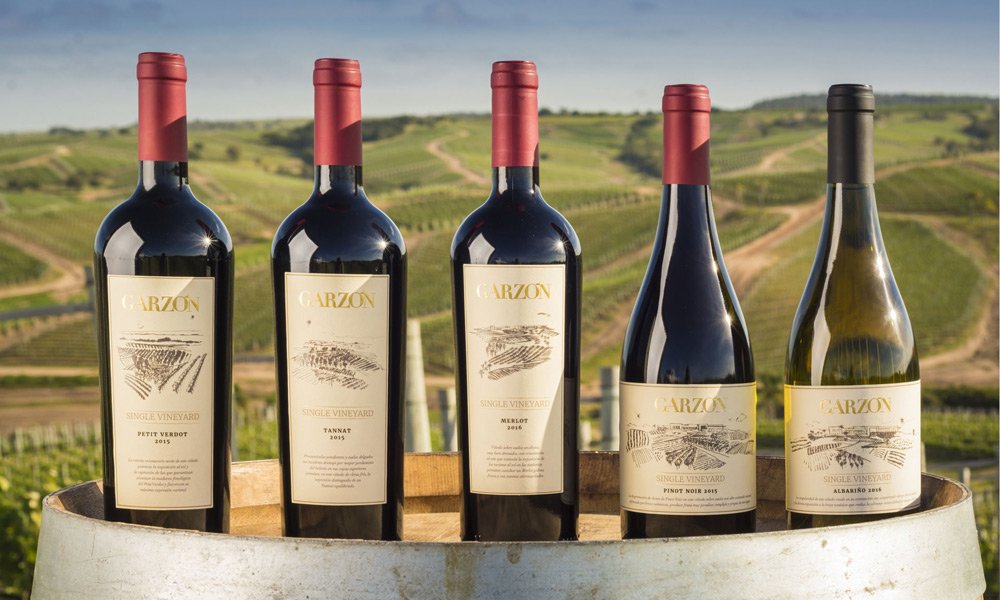
Just behind Vik at No. 4, Uruguay's Bodega Garzón in Maldonado continues to mesmerize visitors with its sustainable architecture and gravity-fed winery nestled into rolling hillsides. It's proof that South America's smallest wine-producing nation can compete with the giants.
Chile's Deep Bench
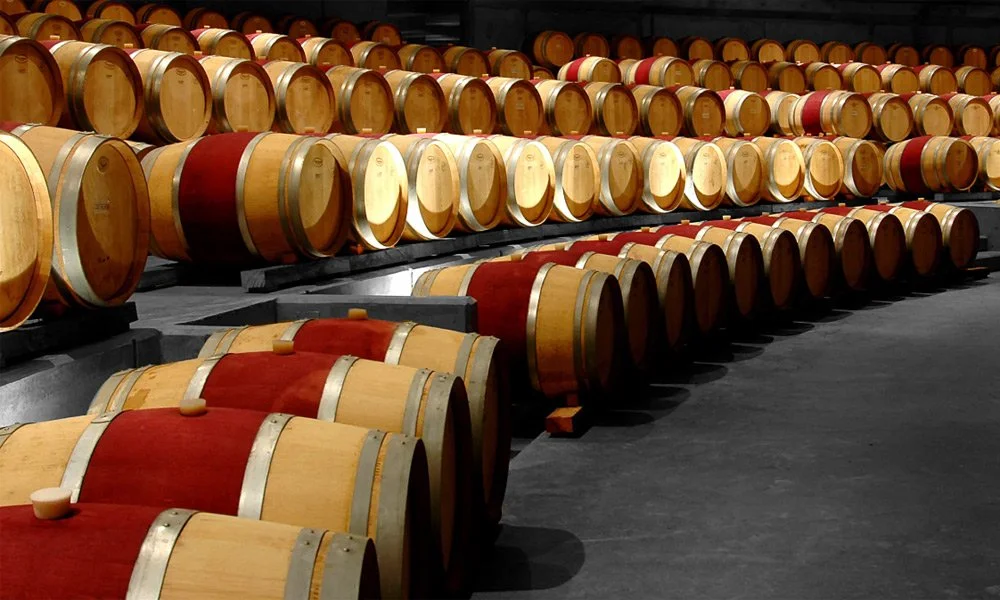
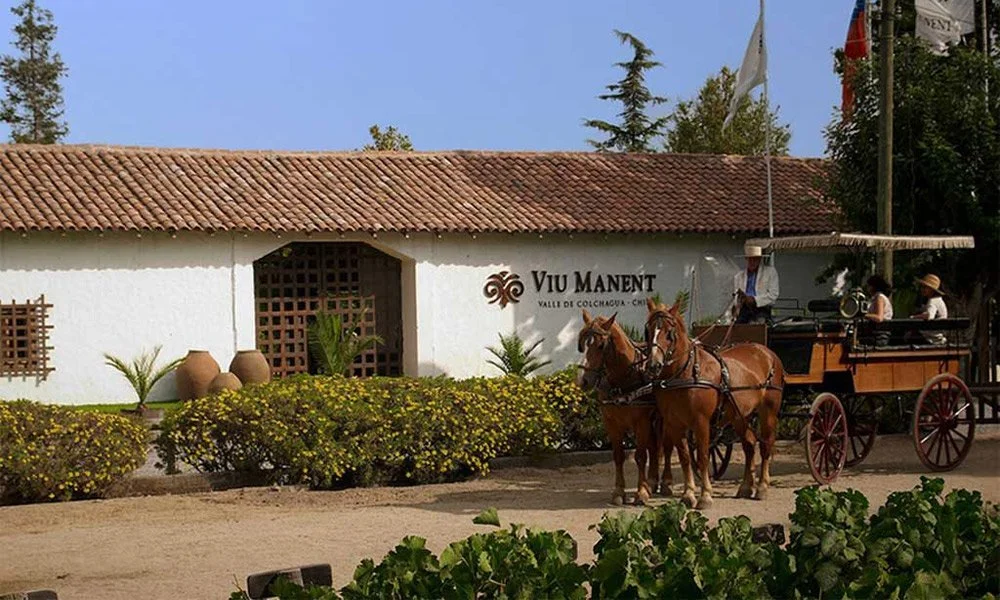
Chile's showing is particularly impressive, with seven estates making the cut. Montes in Colchagua Valley (No. 10) has long been a trailblazer, combining biodynamic viticulture with a feng shui-designed winery that draws energy seekers and oenophiles alike. In the nearby Colchagua, Viu Manent (No. 40) charms with its historic hacienda and equestrian center, where horseback tours through the vines end with asados and estate wines.
The Maipo Valley contributes two heavy hitters: the storied Viña Santa Rita (No. 41), where history buffs can explore the estate's role in Chile's independence movement, and the prestigious Almaviva (No. 34), the Rothschild-Concha y Toro collaboration that has elevated Chilean wine on the world stage.
Over in the coastal Casablanca Valley, Casas del Bosque (No. 42) offers a cooler-climate counterpoint, its Sauvignon Blancs and Pinot Noirs benefiting from Pacific fog that rolls through the vines each morning.
Argentina's Mendoza Magic
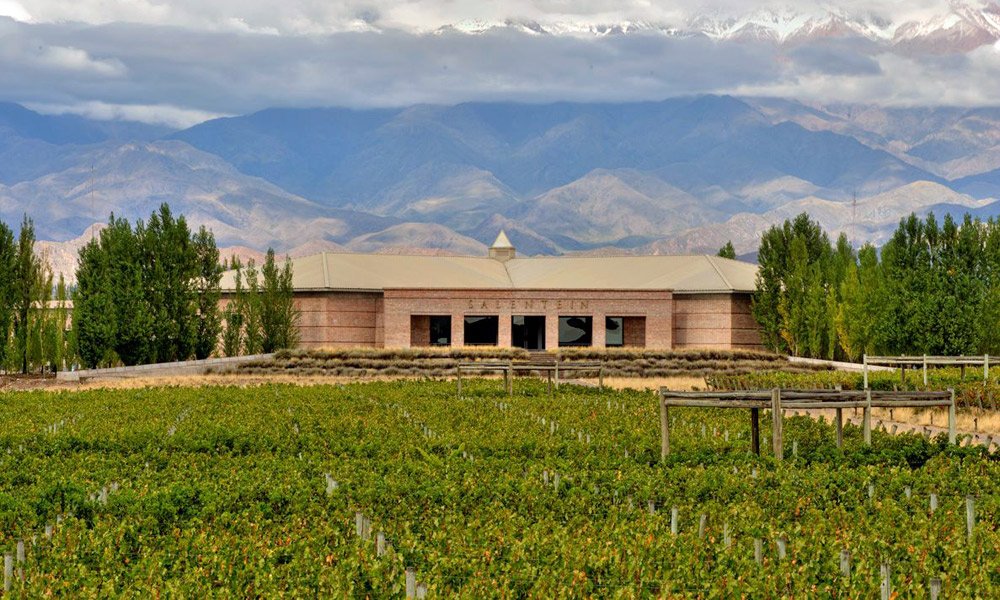
Argentina dominates the list with eleven entries, and Mendoza province alone accounts for the lion's share. At the top sits Bodegas Salentein (No. 12), where a cross-shaped winery houses an art gallery as impressive as its Malbecs. Just ahead, the Durigutti Family Winemakers (No. 11) represent the soul of Argentine wine—small production, family passion, and vines tended with the kind of attention that comes from generational knowledge.
El Enemigo in Mendoza (No. 17) brings rock-and-roll energy to traditional winemaking, while Riccitelli Wine Company (No. 29) has become a cult favorite among those seeking bold, unapologetic expressions of Argentine terroir.
Further down the list, Kaiken Wines (No. 36) bridges Chile and Argentina with vineyards in both countries, and the legendary Viña Cobos (No. 49)—founded by Napa's Paul Hobbs—continues to showcase what's possible when Old World technique meets New World fruit.
High-Altitude Extremes
Perhaps no vineyard on the list embodies adventure quite like Bodega Colomé (No. 30) in Salta. With vines planted at up to 10,000 feet in the Calchaquí Valleys, it's one of the highest wineries in the world. The thin air, intense sun, and dramatic temperature swings produce wines of startling concentration—and the views alone are worth the pilgrimage.
What Winning Means
For Vik, the recognition validates nearly two decades of defying convention. For South America, it's confirmation of a seismic shift in the global wine landscape. These aren't just tasting rooms tacked onto production facilities. They're destinations that understand the modern wine traveler arrives hungry for connection—to land, to craft, to something larger than themselves.
The judges looked beyond the liquid in the glass to consider entire ecosystems: sustainability practices, architectural vision, culinary excellence, community engagement, the intangible magic of place. By those measures, South America isn't just competing—it's leading.
From the Atlantic-influenced valleys of Uruguay to the Andean heights of Argentina, from Chile's coastal coolness to its sun-baked interior, the 2025 rankings celebrate a continent that has learned to showcase not just its wines, but its soul.
As the 2025 season opens and visitors from six continents begin booking their pilgrimages to these fourteen South American estates, one thing is clear: this isn't a trend or a moment. It's a fundamental reordering of the wine world's geography.
Vik may wear the crown, but it's surrounded by a royal court that's redefining what wine tourism can be. Together, they're proving that the future of wine doesn't just happen in famous valleys with famous names. It happens wherever visionaries are brave enough to plant roots and dream big.
The World's Best Vineyard 2025. Not bad for a dream that started in the Chilean hills just twenty years ago. And with thirteen more South American estates keeping it company in the top 50, that dream has become a movement.
We customize Chile, Argentina and Uruguay itineraries to include a stay at one of several of these amzing Vineyards based on your preferences. We'll assist in selecting the perfect options to suit your style. (770) 736-5909.